If you’re a woman over 40 in the United States, you’ve likely noticed something shifting. The metabolism that once felt effortless now seems to stall at the slightest indulgence. Energy levels dip by mid-afternoon, and despite your best efforts with diet and exercise, stubborn weight clings to places it never used to. You’re not imagining it—hormonal changes, mitochondrial decline, and metabolic shifts are real physiological transformations that accompany this life stage.
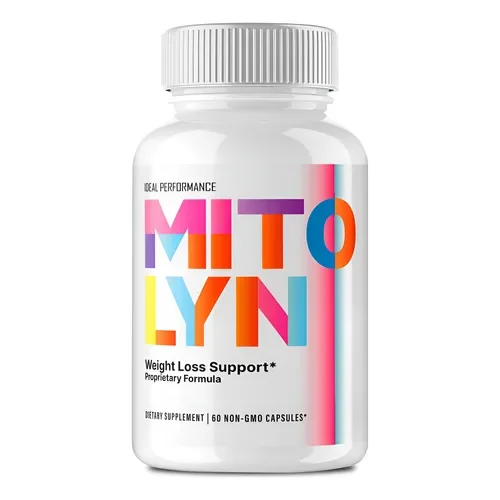
The mitolyn supplement has entered conversations among women seeking support for these specific challenges. As someone navigating the complexities of midlife wellness, you deserve clear, balanced information about what this supplement claims to offer, how it works, and whether it aligns with your health goals. This comprehensive guide examines the science behind mitochondrial health, metabolism support, and what women over 40 should consider when exploring supplementation options.
Understanding your body’s changing needs isn’t about chasing quick fixes—it’s about making informed decisions that support your long-term vitality. Let’s explore what you need to know.
Table of Contents
- Understanding Metabolism Changes After 40
- The Role of Mitochondrial Health in Weight Management
- What Is the Mitolyn Supplement?
- Key Ingredients and Their Potential Benefits
- How Mitochondrial Support May Help Women Over 40
- Setting Realistic Expectations
- Integrating Supplements with Lifestyle Changes
- Safety Considerations and Who Should Avoid It
- Frequently Asked Questions
- Key Takeaways
Understanding Metabolism Changes After 40
The metabolic slowdown women experience after 40 isn’t a myth—it’s rooted in measurable physiological changes. Research indicates that resting metabolic rate decreases by approximately 1-2% per decade after age 30, with more pronounced shifts occurring during perimenopause and menopause.

Several factors contribute to this metabolic shift:
- Declining estrogen levels: Estrogen plays a crucial role in regulating body composition and fat distribution. As levels decrease, many women notice increased abdominal fat storage.
- Loss of lean muscle mass: Without intentional resistance training, women lose approximately 3-8% of muscle mass per decade after 30, which directly impacts calorie-burning capacity.
- Mitochondrial dysfunction: The cellular powerhouses responsible for energy production become less efficient with age, affecting overall metabolic function.
- Hormonal fluctuations: Thyroid changes, insulin sensitivity shifts, and cortisol imbalances become more common during this life stage.
- Lifestyle accumulation: Decades of stress, sleep disruption, and dietary habits take a cumulative toll on metabolic health.
These changes aren’t a personal failing—they’re a natural part of aging that can be addressed with targeted strategies. Understanding the underlying mechanisms helps you make choices that work with your biology rather than against it.
The Hormonal Cascade Effect
Perimenopause and menopause trigger a cascade of hormonal adjustments that extend far beyond hot flashes. The interplay between estrogen, progesterone, testosterone, and cortisol creates a complex environment where weight management becomes increasingly challenging. Many women report that strategies that worked in their 30s simply stop yielding results.
This frustration is valid and shared by millions of women across the United States. The good news is that emerging research on cellular energy production and metabolic support offers new avenues for addressing these challenges.
The Role of Mitochondrial Health in Weight Management
Mitochondria are often called the powerhouses of our cells, and for good reason. These tiny organelles convert nutrients into ATP (adenosine triphosphate), the energy currency your body uses for every function—from breathing to exercising to maintaining body temperature.

As we age, mitochondrial function naturally declines. This decline manifests in several ways:
- Reduced energy production efficiency
- Increased oxidative stress and cellular damage
- Slower fat metabolism and oxidation
- Decreased exercise recovery capacity
- Greater fatigue and reduced stamina
For women over 40, compromised mitochondrial function can compound the metabolic challenges already present from hormonal changes. When your cells can’t efficiently convert fuel into energy, your body may be more prone to storing calories as fat rather than burning them.
“Supporting mitochondrial health isn’t about reversing aging—it’s about optimizing the cellular machinery you have so your body can function at its best during this life stage.”
The Connection Between Mitochondria and Weight
Healthy mitochondria support weight management through multiple pathways. They enhance fat oxidation (the process of breaking down stored fat for energy), improve insulin sensitivity, reduce inflammation, and support thermogenesis (heat production that burns calories). When mitochondrial function is optimized, your metabolism may work more efficiently even as you age.
This is where targeted supplementation enters the conversation. Products designed to support mitochondrial function aim to provide nutrients that these cellular powerhouses need to operate optimally.
What Is the Mitolyn Supplement?
The mitolyn supplement is formulated specifically to address the metabolic and energy challenges women face after 40. Unlike generic weight loss products, it focuses on supporting mitochondrial health and cellular energy production as the foundation for metabolic function.

According to available product information, Mitolyn contains a blend of ingredients selected for their potential to enhance mitochondrial function, support healthy metabolism, and provide energy support during the metabolic transition many women experience in their 40s and beyond.
The supplement is marketed as a daily support system rather than a quick-fix solution, aligning with the understanding that sustainable metabolic health requires consistent, long-term support rather than dramatic interventions.
Target Audience and Positioning
Mitolyn is specifically positioned for women navigating perimenopause, menopause, and postmenopause—life stages where hormonal shifts create unique metabolic challenges. The formulation acknowledges that women over 40 require different support than younger adults or men of any age.
This targeted approach reflects a growing recognition in the supplement industry that one-size-fits-all products often fail to address the specific needs of different demographic groups.
Key Ingredients and Their Potential Benefits
Understanding what goes into a supplement helps you make informed decisions about whether it aligns with your needs. While formulations can vary, mitochondrial support supplements typically include combinations of the following types of ingredients:
| Ingredient Category | Common Examples | Potential Benefits |
|---|---|---|
| Mitochondrial Nutrients | CoQ10, PQQ, L-Carnitine | Support cellular energy production and fat metabolism |
| Antioxidants | Alpha-lipoic acid, Resveratrol | Protect mitochondria from oxidative damage |
| Metabolic Supporters | Green tea extract, Chromium | May support healthy blood sugar and metabolism |
| Adaptogens | Rhodiola, Ashwagandha | Help the body adapt to stress, support energy |
| B Vitamins | B12, B6, Folate | Essential cofactors for energy metabolism |

How These Ingredients May Work Together
The principle behind combination formulas is synergy—the idea that certain nutrients work better together than in isolation. For example:
- CoQ10 and PQQ may work synergistically to support both existing mitochondria and the creation of new ones
- L-Carnitine helps transport fatty acids into mitochondria where they can be burned for energy
- Antioxidants protect the mitochondria from the oxidative stress that naturally increases with age
- B vitamins serve as essential cofactors in the energy production pathways
- Adaptogens may help regulate the stress response that can interfere with metabolism
When reviewing the specific ingredient profile of any supplement, look for transparency in dosing and sourcing. Reputable manufacturers provide clear information about what’s included and in what amounts.
Ingredient Quality Matters
Not all ingredients are created equal. The form of a nutrient (such as ubiquinol versus ubiquinone for CoQ10), the extraction method for botanicals, and the presence of fillers or additives all impact both effectiveness and safety. Quality supplements use bioavailable forms of nutrients that your body can actually absorb and utilize.
How Mitochondrial Support May Help Women Over 40
The theoretical foundation for mitochondrial support supplements rests on addressing the cellular energy decline that accompanies aging. For women over 40, this support may manifest in several ways:

Enhanced Fat Metabolism
When mitochondria function optimally, they can more efficiently oxidize (burn) fatty acids for fuel. This process is particularly relevant for women whose bodies are storing more fat due to hormonal changes. By supporting the cellular machinery responsible for fat metabolism, these supplements may help the body utilize stored energy more effectively.
Improved Energy Levels
Many women over 40 report persistent fatigue that doesn’t resolve with sleep alone. This fatigue often stems from decreased ATP production at the cellular level. Ingredients that support mitochondrial function may help improve overall energy production, potentially reducing that characteristic midlife exhaustion.
Blood Sugar Balance Support
Insulin sensitivity often decreases with age, making blood sugar regulation more challenging. Healthy mitochondria play a role in glucose metabolism, and some ingredients in metabolic support formulas may help promote better insulin sensitivity and blood sugar balance.
Inflammation Modulation
Chronic low-grade inflammation increases with age and can interfere with metabolic health. Antioxidants and anti-inflammatory ingredients in mitochondrial support supplements may help modulate this inflammatory response.
Stress Response Support
Adaptogenic ingredients may help the body manage cortisol levels and stress responses more effectively. Since elevated cortisol can promote abdominal fat storage, supporting a healthy stress response becomes increasingly important for women over 40.
It’s important to note that these mechanisms represent potential pathways of support based on ingredient research. Individual responses vary, and supplements work best as part of a comprehensive approach to health rather than as standalone solutions.
Setting Realistic Expectations
One of the most important aspects of considering any supplement is approaching it with realistic expectations. The supplement industry is rife with exaggerated claims and miracle promises—neither of which serve women seeking genuine support for midlife metabolic challenges.

What Supplements Can and Cannot Do
Supplements are designed to supplement—not replace—a foundation of healthy lifestyle habits. Even the most well-formulated product cannot overcome:
- Chronic sleep deprivation
- A diet dominated by processed foods and excess calories
- Complete lack of physical activity
- Unmanaged chronic stress
- Underlying medical conditions affecting metabolism
What supplements may do is provide targeted nutritional support that helps optimize the metabolic processes already occurring in your body. Think of them as one tool in your wellness toolkit—valuable when used appropriately, but not magic bullets.
Timeline for Noticing Changes
If you decide to try a mitochondrial support supplement, understand that cellular changes take time. Most experts suggest giving supplements a minimum of 8-12 weeks before assessing their impact. Some women report noticing subtle energy improvements within a few weeks, while changes in body composition typically take longer to manifest.
“The women who see the best results from supplements are those who view them as partners in a larger wellness strategy—not shortcuts around the fundamentals of healthy living.”
Individual Variation
Your unique biochemistry, health history, current medications, stress levels, sleep quality, diet, and exercise habits all influence how your body responds to supplementation. What works remarkably well for one woman may produce minimal effects for another. This variation is normal and expected.
Keeping a simple journal tracking energy levels, sleep quality, exercise performance, and how you feel overall can help you assess whether a supplement is making a meaningful difference for you personally.
Integrating Supplements with Lifestyle Changes
The most effective approach to supporting metabolism and weight management after 40 combines targeted supplementation with evidence-based lifestyle strategies. Neither works optimally in isolation.

Nutrition Foundations
Prioritizing protein at each meal helps preserve lean muscle mass, which is crucial for maintaining metabolic rate. Women over 40 may benefit from slightly higher protein intake than younger women—typically around 1.2-1.6 grams per kilogram of body weight daily.
Balancing blood sugar through regular meals containing protein, healthy fats, and fiber-rich carbohydrates supports stable energy and reduces cravings. Eating in alignment with your circadian rhythm—with earlier dinners and consistent meal timing—may also support metabolic health.
Movement Strategies
Resistance training becomes non-negotiable after 40. Building and maintaining muscle mass directly combats the metabolic slowdown that accompanies aging. Aim for at least two strength training sessions weekly.
Include regular walking or other moderate aerobic activity for cardiovascular health and daily calorie expenditure. High-intensity interval training, when appropriate for your fitness level, can provide metabolic benefits in shorter time periods.
Sleep Optimization
Poor sleep disrupts hunger hormones, increases cortisol, impairs insulin sensitivity, and reduces the motivation to make healthy choices. Prioritizing 7-9 hours of quality sleep creates the foundation for all other wellness efforts, including the effectiveness of supplements.
Stress Management
Chronic stress keeps cortisol elevated, promoting abdominal fat storage and interfering with sleep and recovery. Regular stress management practices—whether meditation, yoga, time in nature, or creative pursuits—support the hormonal balance necessary for metabolic health.
When these lifestyle foundations are in place, supplements like those designed for mitochondrial support may provide additional benefit. The comprehensive approach to metabolic support recognizes that optimal results come from addressing multiple factors simultaneously.
Safety Considerations and Who Should Avoid It
While many supplements designed for metabolic support are generally well-tolerated, safety considerations are essential—especially for women over 40 who may be managing other health conditions or taking medications.

When to Consult Your Doctor First
Always discuss supplement use with your healthcare provider if you:
- Take prescription medications (especially blood thinners, diabetes medications, or blood pressure medications)
- Have been diagnosed with any chronic health condition
- Are scheduled for surgery (some ingredients may need to be discontinued beforehand)
- Have a history of kidney or liver disease
- Are pregnant, nursing, or trying to conceive
- Have known allergies or sensitivities to supplement ingredients
Potential Interactions and Side Effects
Common ingredients in metabolic support supplements can interact with medications. For example, green tea extract may interact with blood thinners, chromium may affect blood sugar medications, and certain B vitamins may interact with specific prescriptions.
Possible side effects, while typically mild when they occur, may include digestive upset, headaches, insomnia (if taken too late in the day), or allergic reactions. Starting with a partial dose and gradually increasing can help identify any sensitivity issues.
Quality and Third-Party Testing
The supplement industry is less regulated than pharmaceuticals, making third-party testing important. Look for products that have been tested by independent laboratories such as NSF International, USP, or ConsumerLab. These certifications verify that the product contains what it claims without harmful contaminants.
Who Should Avoid Mitochondrial Support Supplements
These supplements may not be appropriate for women who are pregnant or breastfeeding, individuals with specific medical contraindications to the ingredients, or those who have experienced adverse reactions to similar products. When in doubt, professional medical guidance is invaluable.
Frequently Asked Questions
How does the mitolyn supplement differ from other weight loss products?
Unlike stimulant-based weight loss products that focus on appetite suppression or thermogenics, mitolyn supplement targets the cellular foundation of metabolism through mitochondrial support. This approach addresses the root causes of metabolic slowdown rather than simply masking symptoms with stimulants. It’s designed specifically for the hormonal and metabolic changes women over 40 experience, rather than offering a generic solution.
The emphasis on supporting cellular energy production and mitochondrial health represents a fundamentally different strategy than traditional diet pills or fat burners.
How long does it take to see results from mitochondrial support supplements?
Individual timelines vary considerably based on factors like baseline health, lifestyle habits, and biochemical individuality. Some women report increased energy within 2-4 weeks, while changes in body composition typically require 8-12 weeks of consistent use combined with supportive lifestyle habits. Patience and consistency are essential—cellular changes don’t happen overnight.
Setting realistic timelines and focusing on how you feel rather than exclusively on the scale often leads to a more positive experience with supplementation.
Can I take this supplement if I’m already on thyroid medication?
If you’re taking thyroid medication, it’s crucial to consult your prescribing physician before adding any metabolic support supplement. Some ingredients may interact with thyroid medications or affect thyroid function tests. Your doctor can review the specific ingredients and determine whether they’re safe for your situation.
Never adjust thyroid medication dosing based on supplement use without medical supervision, as thyroid hormones require precise dosing.
Will this supplement work without diet and exercise changes?
While mitochondrial support supplements may provide some benefit on their own, research consistently shows that the most significant and sustainable results come from combining supplementation with healthy lifestyle habits. Supplements can support and optimize metabolic processes, but they cannot overcome poor nutrition, sedentary behavior, or chronic sleep deprivation.
Think of supplements as amplifiers of the healthy choices you’re already making, not replacements for those choices.
Are there any side effects I should watch for?
Most women tolerate mitochondrial support supplements well, but some may experience mild side effects such as digestive changes, headaches, or difficulty sleeping if taken too late in the day. Allergic reactions to specific ingredients are possible but uncommon. Starting with a lower dose and taking the supplement with food can minimize digestive sensitivity.
If you experience any concerning symptoms, discontinue use and consult your healthcare provider.
How does this support specifically benefit women over 40?
Women over 40 face unique metabolic challenges due to declining estrogen, reduced mitochondrial function, loss of muscle mass, and increased oxidative stress. Supplements formulated for mitochondrial health address these specific issues by providing nutrients that support cellular energy production, help maintain muscle function, and provide antioxidant protection.
The targeted approach acknowledges that women at this life stage need different support than younger adults or men, whose hormonal profiles and metabolic challenges differ significantly.
Can I use this supplement during menopause?
Many women find metabolic support supplements particularly helpful during perimenopause and menopause when hormonal fluctuations are most pronounced. However, if you’re using hormone replacement therapy or other menopause treatments, discuss potential interactions with your healthcare provider first.
Some ingredients may complement menopausal support, while others might require dosage adjustments of existing therapies.
What should I look for when choosing a mitochondrial support supplement?
Key factors include transparent ingredient labeling with specific dosages, third-party testing for purity and potency, use of bioavailable forms of nutrients, absence of unnecessary fillers or artificial ingredients, and realistic rather than exaggerated marketing claims. Research the company’s reputation and look for products that provide clear information about sourcing and manufacturing standards.
Products that make dramatic promises or guarantee specific weight loss amounts should be viewed with skepticism, as individual results vary widely.
Key Takeaways
- Metabolic slowdown after 40 is driven by hormonal changes, muscle loss, and declining mitochondrial function—not personal failure
- Mitochondrial health forms the cellular foundation of metabolism, energy production, and fat oxidation
- Supplements designed for mitochondrial support may help optimize cellular energy production when combined with healthy lifestyle habits
- The mitolyn supplement targets the specific metabolic challenges women over 40 face, focusing on cellular support rather than stimulants
- Realistic expectations are essential—supplements support healthy processes but don’t replace nutrition, movement, sleep, and stress management
- Quality matters: look for third-party tested products with transparent ingredient profiles and appropriate dosages
- Individual responses vary based on biochemistry, health history, and lifestyle factors—what works for one woman may differ for another
- Always consult healthcare providers before starting supplements, especially if taking medications or managing health conditions
- Sustainable metabolic health comes from addressing multiple factors simultaneously rather than relying on any single intervention
- Give supplements adequate time (8-12 weeks minimum) to assess their impact, as cellular changes occur gradually
Conclusion
Navigating metabolism and weight changes after 40 requires patience, self-compassion, and a willingness to approach wellness from multiple angles. The physiological shifts you’re experiencing are real, scientifically documented, and shared by millions of women across the United States at this life stage.

Whether you choose to explore mitochondrial support through supplementation or focus exclusively on lifestyle strategies, the most important factor is finding an approach that feels sustainable and aligns with your values. The goal isn’t perfection—it’s supporting your body’s natural processes so you can feel energized, capable, and confident as you move through this life stage.
Supplements like those designed to support cellular energy and metabolic function represent one option in a diverse toolkit for midlife wellness. They work best not as isolated interventions but as components of a comprehensive approach that honors your body’s changing needs with nutrition, movement, rest, and stress management.
Your body is still remarkably capable of adaptation and resilience. With the right support—whether that includes the targeted nutritional support of mitochondrial formulas or other wellness strategies—you can work with your physiology rather than against it.
Remember that you’re not alone in this journey, and the frustrations you feel are valid. Take the time to research, consult with healthcare providers, and make choices that feel right for your unique situation. Your midlife years can be characterized by vitality, strength, and wellness when you approach them with knowledge, intention, and compassion for yourself.
Disclaimer
This article is provided for informational and educational purposes only and is not intended as medical advice, diagnosis, or treatment. The information presented should not be used as a substitute for professional medical advice, diagnosis, or treatment.
Always seek the advice of your physician or other qualified health provider with any questions you may have regarding a medical condition, supplement use, or dietary changes. Never disregard professional medical advice or delay in seeking it because of something you have read in this article.
Individual results from supplement use vary widely based on numerous factors including but not limited to genetics, existing health conditions, medications, lifestyle habits, and adherence to recommended usage. No specific results are guaranteed or implied.
The statements made regarding supplements have not been evaluated by the Food and Drug Administration. Products mentioned are not intended to diagnose, treat, cure, or prevent any disease.
If you are pregnant, nursing, taking medications, or have a medical condition, consult your healthcare provider before using any dietary supplement. This article contains affiliate links, and the author may receive compensation for purchases made through these links, though this does not influence the editorial content or recommendations provided.